November 29, 2026
From the Doctor's Desk - December 2026
What We’re Seeing in the Clinic: December 2026
One of the things I enjoy most about practicing both chiropractic and medicine is the variety of conditions I have the opportunity to evaluate and treat. Over the past several weeks, I have noticed an increase in patients presenting with several particular health concerns. I thought I would take this opportunity to share a little information about these conditions, offer some suggestions for home care, and help you recognize when professional care may be appropriate.
Vertigo: When the World Won’t Stop Spinning
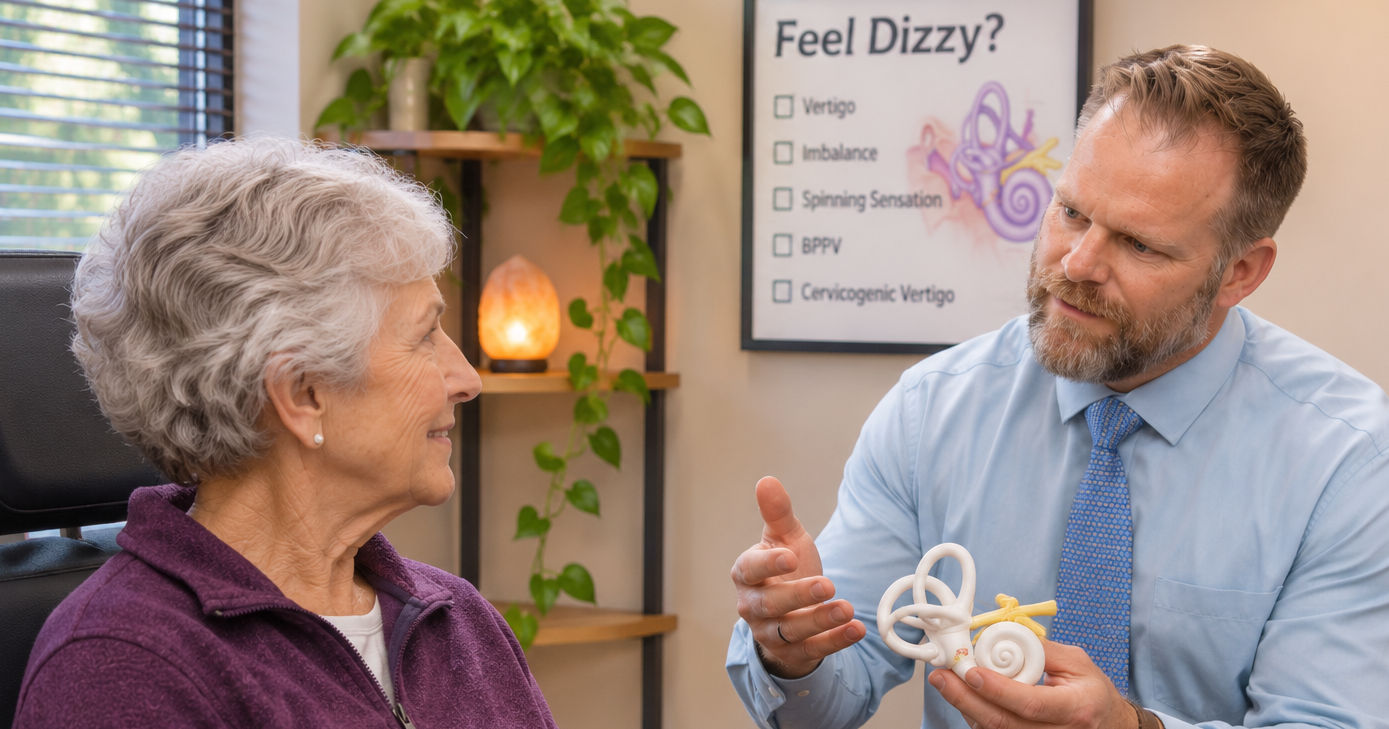
Recently, I have been treating a number of patients suffering from vertigo and dizziness. Two conditions worth discussing are benign paroxysmal positional vertigo (BPPV) and cervicogenic dizziness.
Benign Paroxysmal Positional Vertigo (BPPV) occurs when tiny crystals form within the inner ear and become displaced, interfering with our sense of balance. Patients often experience brief but intense episodes of spinning when rolling over in bed, looking upward, or bending forward. Fortunately, this condition can often be successfully treated in the office using specific repositioning maneuvers.
Cervicogenic dizziness is thought to result from dysfunction of the joints and muscles of the neck, which may interfere with the body's sense of position and balance. This type of dizziness is often accompanied by neck pain, stiffness, headaches, or a feeling of unsteadiness. Once other causes have been ruled out, appropriate chiropractic care and therapeutic exercises may be beneficial.
What you can do at home:
- Change positions slowly, particularly when getting out of bed.
- Stay well hydrated.
- Practice gentle, comfortable neck movements if they do not provoke dizziness.
- Avoid driving, climbing ladders, or other activities where a sudden episode of dizziness could result in injury.
Because dizziness can have many different causes, identifying the underlying condition is important. If you are experiencing recurring episodes of dizziness or vertigo, we would be happy to evaluate you. Sudden dizziness accompanied by severe headache, double vision, weakness, difficulty speaking, or an inability to walk warrants immediate emergency evaluation.
Sinusitis and Influenza: Navigating Cold and Flu Season
With the arrival of colder weather, I have also been seeing an increase in respiratory illnesses, particularly sinusitis and influenza.
Sinusitis can cause facial pressure, headaches, nasal congestion, and drainage. Most acute sinus infections are viral and do not require antibiotics. Influenza, on the other hand, often comes on abruptly and is characterized by fever, body aches, fatigue, headache, and cough.
What you can do at home:
- Drink plenty of fluids and prioritize sleep.
- Wash your hands! This is and extremely important way to prevent the spread of illness.
- Use saline nasal rinses to help relieve sinus congestion. Always use distilled, sterile, or previously boiled and cooled water.
- Use a clean humidifier to help soothe irritated nasal passages.
- Consider acetaminophen or ibuprofen for fever and discomfort, provided you can safely take these medications.
- Stay home when sick to help prevent the spread of illness.
If sinus symptoms persist for more than 10 days without improvement, become particularly severe, or worsen after initially improving, further evaluation may be appropriate. Your provider can council you on supplements and vitamins that can stimulate and support your body's innate immune system. Prescription antiviral or antibiotic medications can also be helpful in treating influenza or persistent sinusitis. Those at higher risk of complications should seek medical advice early, even if symptoms initially seem mild. Difficulty breathing or persistent chest pain requires immediate medical attention.
Disc Problems: When Pain Travels Beyond the Spine
Another group of conditions I have been treating frequently involves the discs of the cervical and lumbar spine.
The discs between our vertebrae act as cushions, absorbing shock and allowing movement. When a disc becomes damaged, bulges, or herniates, it can irritate nearby spinal nerves. This can result in symptoms that extend well beyond the neck or lower back.
Common symptoms include:
- Pain radiating into the shoulder, arm, or hand.
- Pain traveling into the buttock, leg, or foot, commonly referred to as sciatica.
- Numbness, tingling, or a pins-and-needles sensation.
- Burning or electrical sensations in the extremities.
- Muscle weakness.
These symptoms are often referred to as radicular symptoms and may indicate irritation or compression of a spinal nerve.
What you can do at home:
- Remain gently active rather than spending prolonged periods in bed.
- Take short, frequent walks as tolerated.
- Avoid heavy lifting, repetitive bending, and twisting that aggravates your symptoms.
- Change positions frequently, particularly when sitting for extended periods.
- Use ice or heat, whichever provides greater relief.
- Avoid exercises or stretches that cause pain or tingling to travel farther down an arm or leg.
The encouraging news is that many disc-related conditions improve without surgery. Depending on the nature and severity of the condition, treatment may include modified chiropractic adjustments, spinal decompression, therapeutic exercises, physiotherapy, and management with prescription pain medication or steroids. We can provide all these services under one roof.
Persistent radiating pain, numbness, or tingling deserves a thorough evaluation. New or progressive muscle weakness requires prompt medical attention. Loss of bowel or bladder control, difficulty urinating, or numbness around the groin requires immediate emergency evaluation.
We’re Here to Help
One of our goals at Blue Lakes Clinics is to be more than simply the place you visit when your back hurts. We want to be a trusted resource for your ongoing health and well-being. By bringing chiropractic and medical care together, we are able to offer a broader perspective when evaluating your health concerns and developing an appropriate treatment plan. When a condition requires care beyond what we provide, we can help guide you in the right direction.
As we enter the holiday season, I hope you will take some time to invest in your own health. Stay active, get adequate rest, enjoy time with your family, and don't neglect the symptoms your body may be trying to bring to your attention.
From all of us at Blue Lakes Clinics, we wish you and your family a healthy, happy, and very Merry Christmas!
Dr. Arrington, DC, NP
Blue Lakes Clinics - Two Great Locations. Same Great Service.
Latest Posts

Medicare Coverage for Chiropractic in 2027
November 29, 2026
From the Doctor's Desk - December 2026
November 29, 2026

Physical Preparation for Fall Hunting
August 23, 2026
Dr. Rusty Arrington